
In brief
With Türchen, sofatutor created two interactive Advent calendars that turned learning into an ongoing story. Audio, games, illustrations, and small interactive moments transformed standalone pieces of content into an experience children genuinely wanted to come back to.
The idea behind this Project
sofatutor wanted learning to feel like more than something to complete. It wanted to make learning immersive, playful, and emotionally engaging. Instead of delivering isolated learning prompts, the team created two calendars that guided children through an ongoing story with recurring characters, chapters, and small tasks along the way.
Türchen provided the platform where audio, games, visuals, and text could come together as one connected experience.
“We wanted children to do more than just open a door — we wanted them to look forward to the next chapter.”
sofatutor.com
The calendar on the main platform was designed for older children. At its centre was an ongoing audio story about Mara, who sets off through a winter forest in search of lost frost lights. Games such as Memory, Puzzle, Wanted, Trippple, and Word Rush picked up themes from the story and turned them into interactive learning moments.
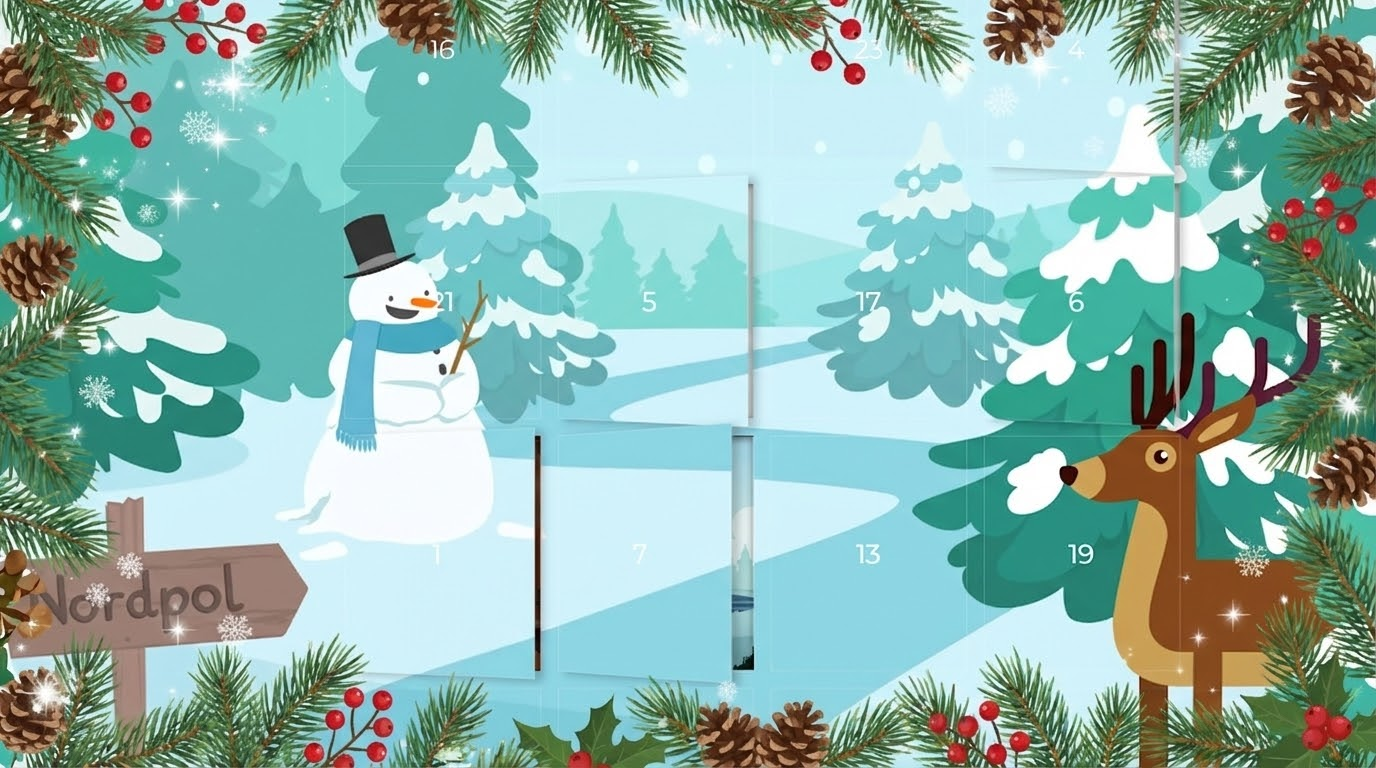
sofatutor.com KIDS
The KIDS calendar was created for younger children and built entirely around audio. Hubert the frog loses his most beautiful sound just before Christmas and sets out to find it again. Listening, participation, rhythm, and simple playful tasks were at the heart of the experience — with no reading pressure and a format that worked especially well on mobile.
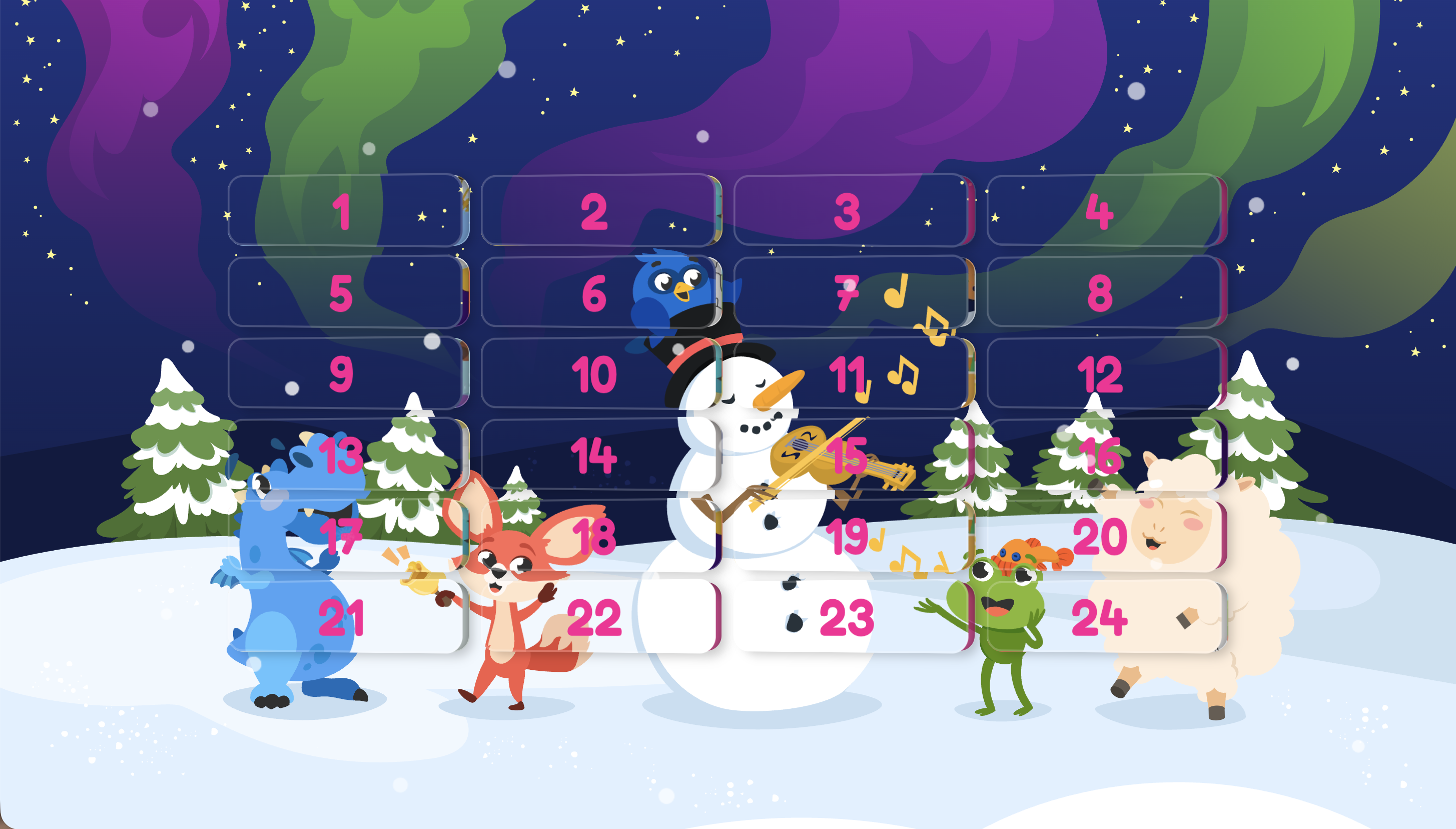
Both calendars show how differently storytelling can work — while still serving the same purpose: making learning accessible, emotional, and engaging over time.
How were the calendars used?
During the campaign, one thing became especially clear: the audio stories were the strongest driver of return visits. Children wanted to know what happened next, so they came back not just for individual pieces of content, but for the story itself.
What mattered was not daily usage at any cost, but regular, willing return. Many families used the calendars flexibly, following the chapters at their own pace.
Key figures
- around 100,000 audio plays on the main platform
- around 30,000 audio plays in the KIDS area
- 35% of MAIN users listened to all audio chapters
- another 17% listened almost all the way through
“I really love the calendar — the stories are woven in so well and the little mini-games are so much fun.”
– Voice from user
What does this case show?
This case shows how powerful digital storytelling can be in education when content, narrative structure, and interaction are designed together.
For sofatutor, that made learning feel more playful, more emotional, and more closely tied to the brand. For Türchen, the project shows that the platform can do far more than simply display content — it can support entire experience worlds.
The key learnings
- Ongoing stories create stronger engagement than isolated content.
- Audio can be a particularly strong driver of return visits.
- Different audiences need different formats.
- Chapter-based usage can work better than a strict day-by-day structure.
- Learning becomes more effective when it is experienced as a story.
“Because every day you get a little reward when you finish learning.”
– Voice from user
Conclusion
This project shows that digital learning does not have to feel dry. Individual doors became one connected experience that guided children, motivated them, and made them curious for the next chapter.
“Working with Türchen helped us turn learning into one connected story.”